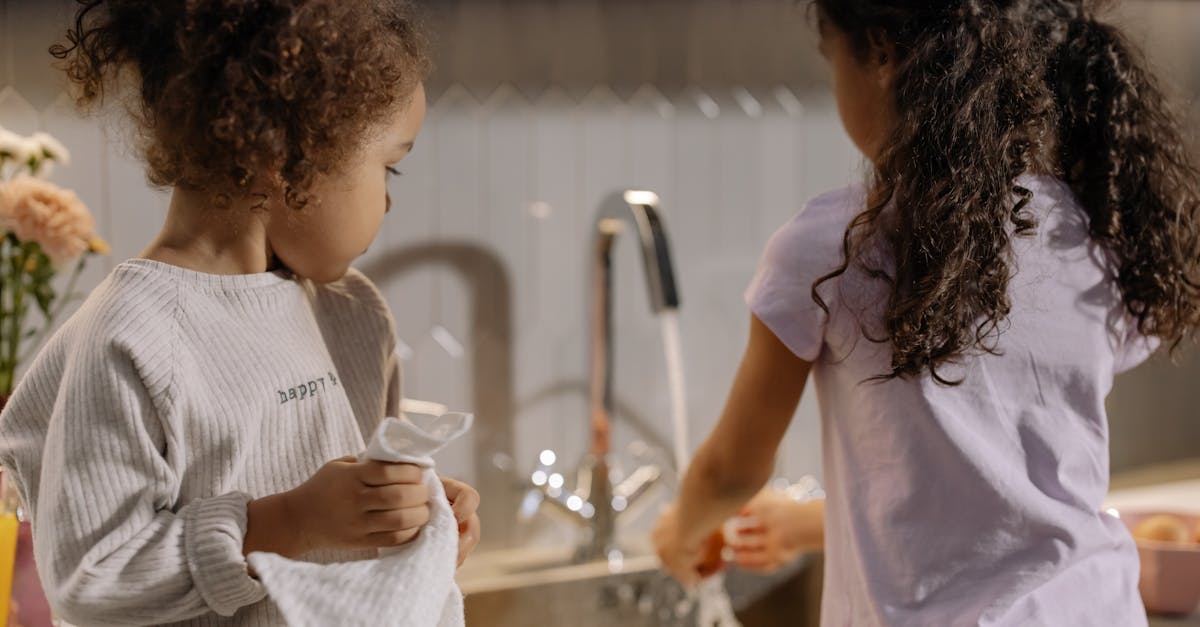
Why Kids Resist Chores So Vehemently (And What Actually Works to Get Them Helping)
Every parent has been there. You ask your child to clean their room, set the table, or put away their laundry, and you’re met with groans, protests, or the classic blank stare followed by immediate distraction. It feels like a battle, a constant uphill climb to get even the simplest household task accomplished. You’ve tried sticker charts, threats, begging, and even doing it yourself out of sheer exhaustion, only to find yourself back at square one, wondering why your kids resist chores so vehemently.
I’ve personally navigated this minefield with my own two children, and for years, I cycled through frustration and resignation. It felt like I was speaking a different language. “Why is it so hard for them to just pick up their socks?” I’d lament. The common advice I found often felt superficial, focusing on reward systems that quickly lost their luster or discipline methods that bred resentment rather than cooperation. What I discovered, through trial and error and a deeper dive into child development, is that the core issue isn’t laziness, defiance, or a lack of understanding. It’s far more nuanced, rooted in how children perceive autonomy, competence, and connection within the family unit. Once I shifted my perspective and applied some counter-intuitive strategies, the dynamic in my home began to transform. Chores went from being a source of constant conflict to a more integrated, and sometimes even enjoyable, part of our family life.
Key Takeaways
- Recognize that chore resistance often stems from a child’s need for autonomy and perceived competence, not just defiance.
- Frame chores as contributions to a shared family goal rather than individual burdens or punishments.
- Implement a “chore choice” system that empowers children with agency over how and when tasks are completed.
- Focus on teaching the skills needed for chores, breaking down complex tasks, and accepting imperfect results initially.
- Connect chores to real-world impact and natural consequences, moving beyond transactional rewards and punishments.
The Autonomy Trap: Why ‘Helping’ Feels Like Being Controlled
The biggest mistake I see parents make, and one I made for years, is approaching chores as something we impose on them. When we say, “Go clean your room,” or “You need to do the dishes,” it immediately triggers a child’s natural drive for autonomy. For a child, especially a toddler or a pre-teen striving for independence, being told what to do can feel like a direct assault on their burgeoning sense of self. They’re trying to figure out who they are and how they fit into the world, and constant directives, even well-intentioned ones, can feel like a stifling hand.
In my experience, this isn’t about being disobedient; it’s about asserting control in the limited ways they know how. Imagine if your boss constantly micromanaged every detail of your job, even tasks you were perfectly capable of. You’d likely feel frustrated, demotivated, and resistant, even if you understood the ultimate goal. Kids feel the same way. The solution isn’t to stop asking them to do chores, but to reframe the interaction to emphasize their agency and choice. Instead of a command, present it as a contribution. Instead of “Clean your room,” try, “Our home works best when everyone contributes. You can choose to clean your room before dinner or after homework.” This small linguistic shift gives them a sense of control over when or how, even if the what remains non-negotiable. It acknowledges their autonomy, which paradoxically, often increases cooperation.
The Competence Illusion: When Kids Feel Incapable (Even if They’re Not)
Another significant barrier to chore cooperation is the child’s perceived competence, or lack thereof. When we bark orders or hover, correcting every misplaced item or streak on the window, we inadvertently send a message: “You’re not good enough at this, I need to fix it.” This erodes their confidence and motivation. Who wants to repeatedly do something they feel they constantly fail at, or where their best effort is always met with criticism?
I learned this the hard way after repeatedly re-folding laundry my son had “attempted.” He eventually stopped trying altogether. What changed everything for me was embracing the philosophy of “good enough” for a season. For younger children, breaking down tasks into tiny, manageable steps is crucial. Instead of “clean your room,” it becomes: “Put all the red blocks in the red bin. Now put all the books on the shelf.” For older children, it’s about providing clear instruction once, then stepping back and allowing them to figure it out, even if the result isn’t perfect. Show them how to load the dishwasher, then let them do it. If a cup isn’t perfectly placed, resist the urge to immediately rearrange it. Acknowledge their effort: “Thanks for loading the dishwasher!” Over time, their skill will improve naturally, fueled by a sense of accomplishment rather than fear of critique. The hidden cost of our perfectionism is their lost opportunity to develop competence and confidence.
Connecting Contributions: Shifting from ‘Your Chore’ to ‘Our Family’
Many families frame chores as individual responsibilities assigned to each child, often linked to allowance or privileges. While this can work in the short term, it often creates a transactional mindset: “I do X, I get Y.” This can backfire when the reward isn’t appealing enough, or when the child simply decides the reward isn’t worth the effort. It misses the deeper, more powerful motivator: being a valued member of a team.
What changed everything for me was explicitly linking chores to the well-being of our family unit. Instead of “You need to do your chore to earn your allowance,” I started saying things like, “Our family needs clean dishes so we can all eat dinner together. Loading the dishwasher is how you contribute to that.” Or, “When everyone puts away their laundry, it helps our home stay tidy for all of us.” This emphasizes a shared goal and mutual benefit. We brainstormed a list of all the tasks that keep our household running and then, as a family, decided who would take on what. This created a sense of collective ownership. We even made a simple whiteboard where tasks were listed, and kids could choose which ones they’d tackle that week, rotating through different roles to build a broader skill set. This fosters a sense of responsibility and connection to something larger than themselves.
The Natural Consequence Conundrum: Beyond Punishments and Rewards
The reliance on external motivators like allowance or punishment for chores often feels like a losing battle. Children quickly learn to game the system, or the rewards lose their appeal, requiring ever-increasing incentives. Punishments, on the other hand, can breed resentment and make chores feel like drudgery.
Instead, I found immense success in leaning into natural and logical consequences. If my son doesn’t put his dirty clothes in the hamper, then when laundry day comes, those clothes don’t get washed. If his toys aren’t picked up from the living room, they get put in a “holding bin” for a day or two, unavailable for play. The consequence isn’t a lecture or a loss of screen time; it’s a direct result of their inaction, making the connection clear. “Oh, you can’t find your favorite shirt? I guess it didn’t make it into the hamper for laundry day.” This teaches responsibility in a much more impactful way than any imposed punishment. It shows them that their actions (or inactions) have tangible effects on their own lives and the lives of those around them. The key is to deliver these consequences calmly and consistently, without anger or judgment, allowing the situation itself to be the teacher.
Skill-Building, Not Just Task Completion: Equipping for Success
Many parents assume children inherently know how to do chores, or that they’ll simply pick it up by observation. This is a significant oversight. Chores are skills, and like any skill, they require explicit teaching, modeling, and practice. When a child resists, it’s often because they genuinely don’t know how to do it efficiently or effectively, leading to frustration for everyone involved.
My turning point was when I stopped expecting perfection and started acting like a patient instructor. I’d break down tasks into micro-steps. For cleaning the bathroom sink, it became: “First, squirt a little cleaner here. Now, get your sponge and wipe in circles. Rinse the sponge. Wipe again. Now take a dry cloth and make it shiny.” I’d do it with them, side-by-side, a few times, narrating each step. For something like making their bed, we practiced together, figuring out the easiest way for them to pull up the sheets and arrange the pillows. This hands-on teaching, combined with genuine encouragement for effort, not just perfection, builds confidence. It shifts the focus from merely getting a task done to developing valuable life skills. Remember, the goal isn’t just a clean house; it’s raising capable, responsible individuals. Investing this teaching time upfront pays dividends in the long run.
Frequently Asked Questions
Q: At what age should children start doing chores?
A: Children can start contributing very early, often as young as 18 months. Toddlers can pick up toys, put dirty clothes in a hamper, or help set unbreakable items on the table. The key is to start small, make it fun, and match the task to their developmental stage and capabilities.
Q: Should I pay my children for chores?
A: This is a widely debated topic. In my experience, paying for basic household contributions can create a transactional mindset where children only do tasks for money. I prefer to link basic chores to being a contributing family member. Allowance can be earned for extra tasks beyond their regular contributions or for developing specific skills, separating the two concepts. This fosters intrinsic motivation for cooperation.
Q: My child consistently refuses to do chores, no matter what I try. What’s next?
A: If consistent refusal is a pattern, it’s often a sign of a deeper need for control or connection. Try involving them in the decision-making process for chores, even if it’s just choosing between two tasks. Ensure you’re providing clear instructions and modeling the task, and acknowledge their efforts positively. Also, examine if the consequences are natural and logical, rather than punitive, and ensure you’re spending quality connection time with them outside of chore discussions.
Q: How do I handle a child who rushes through chores, doing a sloppy job?
A: Focus on teaching the skill, not just completing the task. Work alongside them, breaking down the steps and modeling the expected effort. Instead of redoing it yourself, calmly point out what needs improvement and guide them to fix it. “I see you put the books away, thank you. Can you show me how we make sure they’re lined up on the shelf?” The goal is to build competence, which takes patience and practice. Gradually increase expectations as their skills improve.
Q: What if I forget to follow through with consequences or rewards?
A: Inconsistency is the biggest killer of any chore system. It teaches children that rules are flexible. If you realize you’ve been inconsistent, acknowledge it simply: “I haven’t been as consistent as I should be with our chore system, but we’re going to get back on track starting today.” Then, choose one or two small, easy-to-manage tasks and consequences to focus on consistently for a week or two before adding more. Consistency builds trust and makes expectations clear.
Getting kids to embrace chores isn’t about finding the perfect hack or forcing compliance. It’s about a fundamental shift in how we, as parents, approach the concept of household contributions. By understanding their needs for autonomy and competence, framing tasks as vital family contributions, teaching skills patiently, and allowing natural consequences to guide them, we move beyond the battleground. We start building a family culture where everyone feels valued, capable, and connected. It takes time, patience, and a willingness to adjust our own expectations, but the reward — a more harmonious home and children equipped with essential life skills — is immeasurable. Start today by choosing one small shift in your approach and observe the ripple effect.
Written by Sarah Jenkins
Practical parenting strategies and activity ideas
A former early childhood educator and mother of two spirited youngsters.
You Might Also Like

Why Kids Fight Dressing So Vehemently (And What Actually Works for Peaceful Mornings)
Uncover the real reasons behind your child's dressing battles and learn practical strategies for calmer, quicker, and more cooperative mornings.