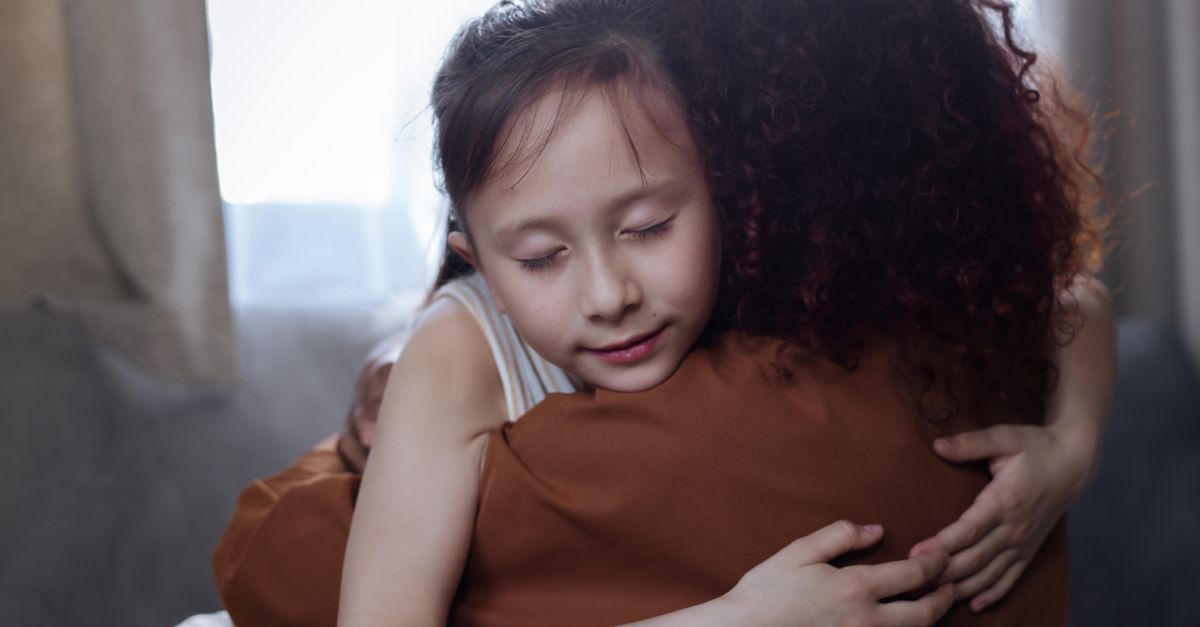
Why Your Child Resists Hugs So Vehemently (And What Actually Builds Lasting Affection)
Every parent has been there: you open your arms for a warm embrace, only for your child to stiffen, pull away, or even outright protest. It feels like a punch to the gut, especially when all you want is to show love and connection. In my practice as a child psychologist, I’ve seen countless parents grapple with this scenario, wondering if their child doesn’t love them, if they’ve done something wrong, or if their child is simply ‘not a hugger.’ The truth is, a child resisting a hug isn’t usually a rejection of you or your love. More often than not, it’s a communication of something else entirely – a need for control, sensory overload, a desire for autonomy, or simply a different preference for showing and receiving affection. The mistake I see most often is parents continuing to push for the hug, inadvertently creating more resistance and less connection. What changed everything for me, and for the families I work with, was understanding the why behind the resistance and shifting from demand to invitation.
Key Takeaways
- Children’s resistance to hugs is rarely personal, often signaling a need for control or sensory comfort.
- Forcing physical affection can erode trust and decrease a child’s willingness to connect.
- Respecting a child’s bodily autonomy is crucial for building a secure sense of self and healthy boundaries.
- Offer alternative forms of affection and engage in ‘side-by-side’ activities to foster natural connection.
- Observe your child’s cues and preferences to understand their unique ‘love language’ for physical touch.
The Overlooked Power Dynamic: Autonomy vs. Obligation
One of the most significant, yet frequently overlooked, reasons children resist hugs stems from a fundamental human need: autonomy. From a very young age, children are told what to do, what to eat, when to sleep, and often, how to physically interact with others. While much of this guidance is necessary for their safety and development, constantly having their physical space dictated can lead to a strong desire to reclaim control, especially over their own bodies. When a parent or relative demands a hug, even with good intentions, it can feel like an obligation rather than a genuine expression of affection. This is particularly true for older toddlers and preschoolers who are actively developing their sense of self and independence. They are learning that their body belongs to them, and being forced into a hug, even by a loving parent, can undermine this crucial lesson. In my experience, children who are frequently prompted to hug (or kiss) on demand, often display greater resistance over time. The act becomes less about love and more about compliance. Instead of building connection, it inadvertently teaches them that their physical boundaries are secondary to someone else’s desire for affection. This can have long-term implications for their understanding of consent and bodily autonomy, extending far beyond childhood hugs.
Think about it from their perspective: if you were constantly asked to engage in physical touch that you weren’t initiated, how would you feel? You might comply, but the genuine warmth would likely fade. To truly build lasting affection, we must shift the dynamic from obligation to invitation. Instead of saying, ‘Give Mommy a hug,’ try, ‘Would you like a hug?’ or ‘I’d love a hug if you’re feeling huggy.’ The difference is subtle but profound. It empowers them to choose, fostering a sense of control and respect that, paradoxically, makes them more likely to offer affection freely when they genuinely desire it. This isn’t about letting children dictate all physical interactions, but about modeling respect for their personal space and teaching them healthy boundaries from a young age.
Sensory Overload and Touch Aversion
Another significant, yet often misunderstood, factor in hug resistance is sensory processing. Many children, particularly those who are highly sensitive or on the autism spectrum, experience touch very differently than others. What might feel like a comforting embrace to one child could be overwhelming or even painful to another. The pressure, the closeness, the texture of clothing, or even a particular scent can trigger a sensory overload, leading to immediate withdrawal. This isn’t a deliberate rejection; it’s a physiological response to an unpleasant or overstimulating sensation. Parents often miss this because they interpret the child’s reaction as defiance or disinterest, rather than a genuine sensory struggle.
I recall working with a family whose son, Leo, would scream every time his father tried to hug him. The father was heartbroken, believing Leo didn’t love him. After careful observation and discussion, we discovered Leo had a strong aversion to deep pressure touch and certain fabrics. His father’s enthusiastic, firm hugs, combined with his rough denim shirt, were intensely uncomfortable for Leo. What worked for them was exploring different types of touch: light touches, gentle back rubs, or even just sitting shoulder-to-shoulder. Leo’s father started wearing softer shirts when he knew he’d be interacting closely with Leo. This simple shift, acknowledging Leo’s sensory needs, transformed their physical interactions. Within weeks, Leo was initiating gentle touches and leaning into his father, on his own terms.
For children with touch aversion, or those easily overwhelmed by sensory input, forced hugs can escalate anxiety and create a negative association with physical affection. Instead of pushing for the hug, try observing your child’s reactions to different types of touch. Do they prefer light touches or firm pressure? Do they shy away from certain textures? Offering alternative forms of affection, such as a high-five, a fist bump, a gentle back pat, or simply holding hands, can be incredibly effective. Sometimes, just being in close proximity, like sitting next to each other on the couch while reading a book, can fulfill the need for connection without the sensory intensity of a full embrace. The key is to listen to their non-verbal cues and respect their unique sensory landscape.
The ‘Side-by-Side’ Connection Strategy
Humans, and especially children, don’t always need face-to-face, intense interactions to feel connected. Often, the most profound bonds are forged in side-by-side activities. Think about how many meaningful conversations happen in the car, or while working on a project together, or even just walking beside someone. For children who resist direct hugs, engaging in shared activities where physical touch isn’t the primary focus can be a powerful way to build connection and affection indirectly. These ‘side-by-side’ moments remove the pressure and formality, allowing natural expressions of closeness to emerge.
In my clinical experience, children who push away hugs often thrive on this type of low-pressure, shared experience. Building a Lego castle together, kicking a soccer ball in the yard, baking cookies, reading a book on the same sofa, or even just doing chores together can create a strong sense of togetherness. During these activities, casual, non-demanding physical touch often happens organically – a hand on the shoulder as you explain something, a gentle nudge as you laugh, or a shared blanket as you watch a movie. These moments of incidental touch are often more readily accepted because they aren’t framed as a demand for affection. They are simply part of the shared experience.
The real magic of the side-by-side strategy is that it allows affection to develop authentically. When a child feels comfortable and connected through shared engagement, they are far more likely to initiate physical closeness on their own terms. This might manifest as leaning against you, holding your hand, or even, eventually, offering a spontaneous hug. It takes patience, shifting our own expectations, but the long-term gain is a more secure and genuine connection, built on mutual respect and understanding, rather than forced compliance. It’s about valuing the relationship over the ritual of the hug.
Understanding Their Affection ‘Love Language’
Just as adults have different ‘love languages,’ children also have unique ways they prefer to give and receive affection. Forcing a child to hug when their primary love language isn’t physical touch can feel unloving and misunderstood. Some children may prefer words of affirmation (‘I love you,’ ‘You’re doing a great job!’), while others thrive on acts of service (helping them with a difficult task, making their favorite meal). Some may prefer quality time (dedicated, undivided attention), or receiving gifts (a small token that shows you were thinking of them). And yes, some genuinely prefer physical touch, but even within that, there are nuances to consider – a gentle head rub might be cherished more than a big squeeze.
I once worked with a family whose daughter, Maya, consistently avoided hugs. Her parents, confused and hurt, kept trying to initiate them. Through our sessions, we uncovered that Maya deeply valued words of affirmation and quality time. She loved hearing her parents tell her how proud they were of her drawings or how much they enjoyed playing board games with her. When her parents started focusing on these expressions of love, scaling back the hug demands, Maya slowly began to initiate more physical touch herself, often a gentle pat on the arm or a brief lean into their side. It wasn’t the big, enthusiastic hugs her parents initially craved, but it was genuine, and it was her way of showing affection.
To effectively build lasting affection, parents must become detectives of their child’s unique affection ‘love language.’ Pay attention to how they do show love and how they respond best to your expressions of care. Do they light up when you praise them? Do they seek you out for help with a project? Do they linger when you’re simply present, engaging in an activity? When you meet them where they are, acknowledging their preferred modes of connection, you validate their individuality. This validation builds a foundation of trust and understanding, making them feel truly seen and loved, which in turn fosters a deeper, more authentic connection that may eventually include physical affection on their terms.
Leading by Example and Modeling Respectful Touch
Finally, and perhaps most critically, how we approach physical affection with our children sets the stage for how they will perceive and engage with it themselves. Modeling respectful touch and clear boundaries is paramount. This means not just respecting their ‘no’ when they resist a hug, but also demonstrating healthy physical boundaries in your own interactions with others and with them. It means asking for permission, not just from them, but from others when initiating touch (e.g., ‘Can I give you a hug, Grandma?’). It also means being mindful of your own physical cues – a parent who is constantly invading a child’s space, even playfully, might inadvertently be contributing to the child’s defensiveness.
Consider the subtle messages we send. If a child says ‘no’ to a hug from a well-meaning relative, and we override that ‘no’ with a ‘Just give Auntie a hug, she loves you!’, we are implicitly teaching them that their bodily autonomy can be dismissed for the sake of another’s feelings. This can create confusion, resentment, and a reluctance to assert their boundaries in the future. Instead, we can calmly step in and say, ‘Auntie loves you very much, but sometimes we don’t feel like hugging. How about a high-five instead?’ This validates both the relative’s affection and the child’s boundary.
In my experience, children are incredibly perceptive. When they consistently see their boundaries respected, and when they observe adults modeling healthy, consensual physical interactions, they internalize these lessons. This builds a profound sense of trust and safety. Over time, a child who feels safe and respected is far more likely to open up to physical affection because they know it is a choice, not a command. The goal isn’t to get a hug now, but to foster a lifelong foundation of secure attachment, where affection flows freely and genuinely, born from a place of love and mutual respect.
Frequently Asked Questions
Q1: Is it normal for a child to resist hugs from parents?
A1: Yes, it is very normal for children to resist hugs, even from their parents, at various stages of development. It doesn’t mean they don’t love you. Reasons can include a developing sense of autonomy, sensory sensitivities, being overwhelmed, or simply preferring other forms of affection. Respecting their boundaries is key to building trust.
Q2: How can I encourage my child to be more physically affectionate without forcing them?
A2: Focus on inviting rather than demanding. Ask, “Would you like a hug?” or “I’d love a hug if you’re feeling huggy.” Offer alternatives like high-fives, fist bumps, or cuddles while reading. Engage in ‘side-by-side’ activities where casual touch can happen naturally, and observe their preferred ‘love language’ for affection.
Q3: What if my child resists hugs from other relatives, like grandparents?
A3: It’s crucial to advocate for your child’s bodily autonomy. Gently intervene and explain to the relative that your child isn’t feeling huggy right now, suggesting an alternative like a wave or a high-five. This teaches your child that their ‘no’ is respected, even with loving family members.
Q4: Could my child’s resistance be due to a sensory issue?
A4: Absolutely. Many children, especially those with sensory processing sensitivities, may find deep pressure or certain textures overwhelming. Observe their reactions to different types of touch and explore gentler forms of physical affection or close proximity that don’t involve direct hugs. Consult a professional if you suspect significant sensory challenges.
Q5: Will my child ever become more huggy if I stop forcing them?
A5: In my experience, yes. When children’s boundaries are consistently respected, they develop a greater sense of trust and security. This often leads to more spontaneous, genuine expressions of affection, including hugs, on their own terms. It fosters a healthier, more authentic relationship based on choice rather than compliance.
Breaking the cycle of forced hugs requires patience, empathy, and a willingness to re-evaluate our own expectations of what affection ‘should’ look like. By understanding the underlying reasons for their resistance – autonomy, sensory needs, or different love languages – we can shift our approach from demand to invitation. This not only fosters a deeper, more authentic connection but also instills crucial lessons in bodily autonomy and respect that will serve our children throughout their lives. So, next time your child pulls away, take a breath, offer an alternative, and remember that building lasting affection is a marathon, not a sprint. The goal isn’t to get a hug right now, but to cultivate a relationship where affection truly blossoms from a place of genuine connection and mutual respect.
Written by Dr. Lisa Monroe
Child development, emotional intelligence, and behavioral insights
A licensed child psychologist with over a decade of experience supporting families.
You Might Also Like

Why Your Child Ignores You (And The Overlooked Reasons That Actually Matter)
Discover the hidden reasons your child might be ignoring you, from attention overload to unmet emotional needs. Learn what truly works.
Why Kids Fight Bath Time So Vehemently (And What Actually Works for Peaceful Routines)
Discover why children resist bath time and learn practical, actionable strategies to turn struggles into a calm, enjoyable routine. Dr. Lisa Monroe shares expert insights.

Why Kids Fight Bedtime So Vehemently (And What Actually Works for Peaceful Nights)
Uncover the real reasons children resist bedtime and learn actionable, counter-intuitive strategies for peaceful, consistent nights.