Why Children Resist Dental Visits So Vehemently (And What Actually Works for Stress-Free Checkups)
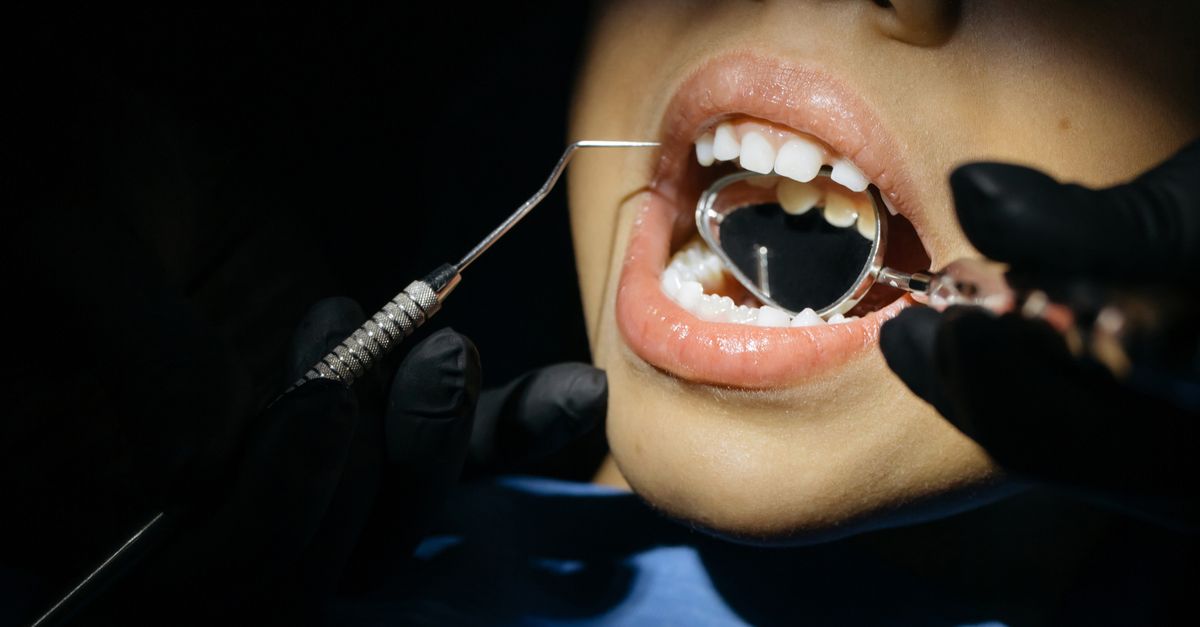
For many parents, the mere mention of a dental appointment can trigger a cascade of anxiety, not for themselves, but for their child. You’ve probably experienced it: the sudden declarations of tummy aches, the tearful pleas, or the outright defiance when it’s time to head to the dentist. It feels like a battle every six months, leaving both you and your little one drained and dreading the next visit. What gives? Why do children, even those with no prior negative experiences, often resist dental visits so vehemently?
As a developmental expert, I’ve observed that this isn’t just about a fear of pain or the unknown; it’s often a complex interplay of sensory sensitivities, a perceived loss of control, and misinterpretations of parental anxiety. The mistake I see most often is parents trying to ‘logic’ their way through it or, conversely, dismissing the child’s feelings. What changed everything for me, and for the families I’ve worked with, was understanding the underlying drivers of this resistance and then implementing a layered, empathetic strategy that addresses these core issues. It’s not about tricking them; it’s about empowering them and building trust.
Key Takeaways
- Acknowledge and validate your child’s fears without dismissing them, as this builds trust and reduces anxiety.
- Introduce dental concepts early and positively through play, books, and pretend scenarios to demystify the experience.
- Empower your child with choices and control during visits, such as hand signals or choosing the order of examination.
- Strategically choose a pediatric dentist whose office environment and staff are specifically designed to reduce child anxiety.
The Overlooked Impact of Sensory Sensitivities
The dental office is a sensory minefield for many children, far beyond what adults typically perceive. It’s not just the drill’s whirring or the odd taste of fluoride. In my experience, the biggest culprits are often the bright overhead lights that can feel intrusive, the strong antiseptic smells that are overwhelming to a developing olfactory system, and the unusual textures of gloves, masks, and dental instruments. Imagine being a child, lying back in a chair with bright lights glaring, unfamiliar smells filling the air, and strange objects poking and prodding in a highly sensitive area – your mouth. It’s an assault on their senses, and their resistance is often a primal reaction to feeling overwhelmed and unsafe.
What truly works is to address these sensitivities proactively. Before the visit, discuss what sounds and smells they might encounter. Some parents find success by allowing their child to choose a pair of sunglasses to wear during the procedure to dim the bright lights. Others bring a favorite scented handkerchief or a small, comforting toy that absorbs some of the unfamiliar smells. Ask the dental office if they use scented fluoride or if a non-flavored option is available. These seemingly small adjustments can make a monumental difference, transforming an overwhelming experience into a manageable one. It’s about recognizing that a child’s sensory world is far more vivid and often less filtered than an adult’s, and tailoring the environment accordingly.
The Illusion of Lost Control: Why Choice Changes Everything
Children thrive on a sense of agency, and a dental visit inherently strips much of that away. They’re told to sit still, open wide, and accept unfamiliar sensations. This perceived loss of control can trigger significant anxiety and defiance. When a child feels powerless, resistance becomes their only tool for asserting themselves. I’ve observed that parents often try to convince their child, which, while well-intentioned, reinforces the power imbalance.
The critical shift is to introduce elements of choice and control, even if they seem minor. Before the appointment, practice simple hand signals at home: a raised hand means ‘pause’ or ‘I need a break.’ This simple gesture empowers them with a voice when their mouth is otherwise occupied. During the visit, let them choose the color of their fluoride, which tooth the dentist examines first (if possible), or even which chair they sit in. Allow them to hold a mirror to watch what’s happening, making them an active participant rather than a passive recipient. When my own child had a particularly difficult time, we practiced the ‘stop sign’ hand signal during playtime. When we got to the office, he used it once, and the dentist immediately paused. That moment of being heard, of having his boundary respected, transformed his entire demeanor. It shifted his perception from being a victim of the process to being a collaborator, and that’s a powerful change for a child.
Demystifying the Unknown: The Power of Positive Preparation
Fear of the unknown is a fundamental human experience, and for children, the dental office is often a giant unknown. They see specialized equipment, hear unfamiliar jargon, and might piece together exaggerated stories from peers or media. Simply showing up on the day of the appointment, even with reassurances, can be too abrupt. The mistake here is underestimating the power of anticipatory anxiety.
Effective preparation is about building familiarity and positive associations well in advance. Start by reading age-appropriate books about going to the dentist. Many feature friendly characters having routine checkups, normalizing the experience. Engage in pretend play: you can be the dentist, and they can be the patient (or vice-versa!). Use a toothbrush as a ‘dental tool’ to gently count their teeth. We once used a small toy dinosaur with prominent teeth to demonstrate cleaning and counting, and it made my child giggle and open up to the idea. A ‘meet-and-greet’ visit to the dental office before the actual appointment can also be invaluable. This allows your child to see the waiting room, meet the friendly staff, and even sit in the chair without any expectations of a procedure. This gradual exposure, devoid of immediate pressure, can significantly reduce anxiety and foster a sense of security when the real appointment day arrives. It turns the ‘unknown’ into something predictable and less intimidating.
The Unspoken Influence of Parental Anxiety
Children are remarkably attuned to their parents’ emotions. Even if you’re trying to project calm, your underlying anxiety about your child’s dental visit can subtly transfer to them. Your tense grip on their hand, your hushed tone, or your over-eagerness to reassure them can inadvertently signal that there is, in fact, something to be anxious about. This is a common, yet often unrecognized, contributor to a child’s resistance.
What works is a two-pronged approach. First, address your own anxiety. If you have past negative dental experiences, acknowledge them to yourself and process them. Practice mindfulness or deep breathing before and during the appointment. Second, convey calm confidence to your child through your actions and words. Speak in a normal, reassuring tone, and avoid over-apologizing or making promises you can’t guarantee (like ‘it won’t hurt at all’). Instead, focus on the positive aspects: ‘The dentist is going to help keep your teeth strong,’ or ‘We’re going to learn about your healthy smile.’ Trust your chosen pediatric dentist to handle the clinical aspects, and focus on being a supportive, calm presence. Your child learns how to react by observing you. If you’re calm, they are more likely to mirror that composure.
The Critical Choice: Finding the Right Pediatric Dentist
Not all dental offices are created equal when it comes to children. A general dentist’s office, while perfectly capable for adults, may not have the specific environment, training, and approach necessary to ease a child’s fears. This mismatch can be a significant source of resistance, as the child’s needs for specialized care and emotional support aren’t fully met.
What makes a profound difference is choosing a pediatric dentist. These professionals have undergone additional years of training specifically focused on children’s dental health, development, and behavior management. Their offices are often designed with children in mind: colorful decor, play areas, TVs on the ceiling, and staff trained in child-friendly communication techniques. They understand the nuances of a child’s developing psyche and employ strategies like ‘tell-show-do’ (explaining, demonstrating, then performing) to build trust. I once recommended a family switch to a pediatric dentist after their child developed extreme fear. The new office had a themed room and allowed the child to pick music. Within two visits, the child’s apprehension transformed into curiosity. It wasn’t magic; it was a strategically designed environment and specialized expertise tailored to a child’s unique needs, proving that the right professional partner is absolutely essential.
Frequently Asked Questions
Q1: What if my child still cries or has a tantrum at the dentist despite all my preparation?
A1: It’s important to remember that some crying or initial resistance is normal, especially for very young children or those with high anxiety. Stay calm and reassure your child. A good pediatric dentist and their staff are highly trained to handle these situations with patience and empathy. Sometimes, a short break or a change of scenery (like stepping into the waiting room for a moment) can help. Don’t feel embarrassed; you are not alone, and the dental team understands.
Q2: Is it okay to bribe my child with a toy or treat after the dental visit?
A2: While immediate rewards can sometimes work, I generally advise against framing it as a ‘bribe for good behavior’ directly related to the procedure. This can inadvertently reinforce the idea that the dental visit is something truly terrible that requires compensation. Instead, you can position it as a routine celebration of their bravery and cooperation, like ‘We’re going to get ice cream to celebrate your strong, healthy teeth after your checkup!’ This shifts the focus from enduring a bad experience to celebrating a positive one.
Q3: Should I tell my child if they need a filling or a more invasive procedure?
A3: Honesty is crucial, but age-appropriate honesty. For younger children, focus on simple, reassuring language about ‘fixing a sleepy tooth’ or ‘making a sugar bug go away.’ Avoid scary words like ‘drill,’ ‘shot,’ or ‘pain.’ For older children, explain what will happen in a calm, factual manner, reinforcing that the dentist will ensure they are comfortable. A pediatric dentist will also have specific language and techniques to explain procedures in a non-threatening way.
Q4: My child has special needs. How can I best prepare them for a dental visit?
A4: Preparation for children with special needs often requires even greater individualization and patience. Collaborate closely with your pediatric dentist, who should have experience with diverse needs. Consider social stories (visual narratives explaining the visit step-by-step), weighted blankets for sensory input, or even sedation options if necessary. Multiple desensitization visits, where the child gradually gets used to the environment without any procedure, can be highly effective. The key is a consistent, predictable routine and a highly understanding dental team.
Q5: What if my child refuses to even open their mouth?
A5: This is a common challenge. Again, a pediatric dentist is skilled in these situations. They might use techniques like ‘tell-show-do,’ where they explain what they’re doing, show the instrument (e.g., a mirror), and then gently use it. Distraction, humor, or even counting games can sometimes help. If the child is extremely resistant, the dentist might recommend a ‘knee-to-knee’ exam where the child sits on your lap, facing you, with their head resting on the dentist’s lap, providing comfort and security while allowing for a quick examination. Patience and a non-judgmental approach are paramount.
Conclusion: Turning Dread into Dedication
Navigating dental visits with children doesn’t have to be an ongoing struggle. By understanding the core reasons for their resistance – sensory overload, a perceived lack of control, fear of the unknown, and even echoes of our own anxieties – we can implement targeted strategies that truly make a difference. Choosing a dedicated pediatric dentist is paramount, as their specialized training and child-friendly environment are designed to address these very issues. Empower your child with choices, prepare them positively, and manage your own emotional responses, and you’ll begin to see a transformation. It’s about building trust, fostering independence, and ultimately, setting the foundation for a lifetime of positive oral health habits and stress-free dental care. Your next step is to find that pediatric dental partner who truly understands children, and then begin implementing these strategies to turn dental dread into dedication.
Written by Dr. Lisa Monroe
Child development, emotional intelligence, and behavioral insights
A licensed child psychologist with over a decade of experience supporting families.
You Might Also Like

Why Your Child Ignores You (And The Overlooked Reasons That Actually Matter)
Discover the hidden reasons your child might be ignoring you, from attention overload to unmet emotional needs. Learn what truly works.

Why Kids Fight Bath Time So Vehemently (And What Actually Works for Peaceful Routines)
Discover why children resist bath time and learn practical, actionable strategies to turn struggles into a calm, enjoyable routine. Dr. Lisa Monroe shares expert insights.

Why Kids Fight Bedtime So Vehemently (And What Actually Works for Peaceful Nights)
Uncover the real reasons children resist bedtime and learn actionable, counter-intuitive strategies for peaceful, consistent nights.